
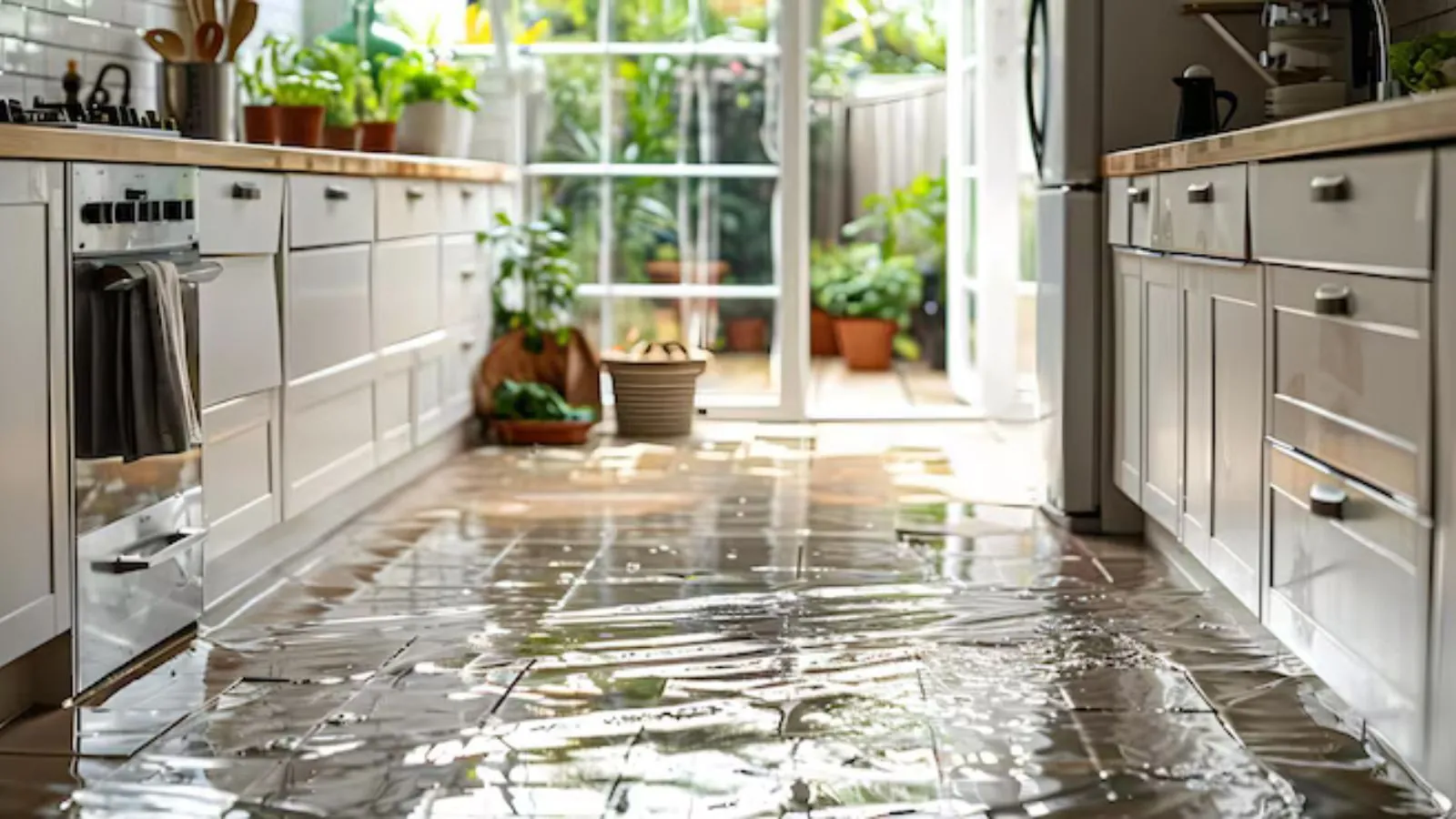
First steps for a tenant
- Close the water shutoff for the fixture if it is safe.
- Photograph and video the damage and your belongings.
- Notify the landlord or manager right away, in writing.
- Move valuables out of the water.
- Keep a record of every message and date.
Written notice is better than a phone call. Keep a copy and send it by a method with a record. This page is not legal advice, so for disputes talk to a lawyer or a tenant resource.
What the state law says
R.I. Gen. Laws section 34-18-22 sets landlord duties on habitability. It includes keeping plumbing in good working order and supplying running water. That statute is the starting point for a tenant whose unit has a plumbing failure. How it applies to a particular loss depends on the facts.
Who pays for what
Usually the landlord insures the building, and the tenant insures their own belongings. A tenant with renters insurance can claim personal property loss, and the landlord's policy covers the structure. If a tenant caused the leak, responsibility may shift. Read the lease and ask for the cause in writing.
For landlords: act quickly
Stop the source, call a plumber, start drying and notify your insurer. Delays raise the scope, and in a multi-unit building water moves into other units. The water extraction page explains the first stage, and ceiling water damage repair covers water that comes down from above.
Mold and long-running leaks
A slow leak in a rental can lead to growth, and the question of who knew when matters. Report stains and musty smells early. The mold remediation page explains the process. This page makes no health claims, and anyone with concerns should talk to a doctor.
A sample timeline for a tenant
- Day of the leak: shut off water if safe, photograph, notify in writing.
- Next day: follow up with the landlord and keep a copy of the message.
- Within days: ask what repairs and drying are planned and when.
- During repairs: keep notes about what was removed and what was replaced.
- After repairs: check for stains, smells and soft spots, and report them.
Keep every message. If the response is slow and the unit is hard to live in, ask a tenant resource or a lawyer about your options. This page is general information.
Moving belongings and temporary housing
Ask the landlord whether the unit can be lived in during drying and repair. Equipment is loud and the work area may be closed. Renters insurance often covers extra living costs if a covered loss forces you out. Keep receipts for hotels and storage.
Move valuables, electronics and paperwork out of the unit if you can do it safely. Do not throw away damaged items until the insurer has seen them.
For small landlords
A landlord who responds in writing, brings a plumber and starts drying quickly protects the building and the relationship. Keep a record of the date you were notified and the steps you took. Ask your insurer when to report the loss, and whether the tenant's policy might respond to their belongings.
A documentation checklist for landlords
- The date and time you were notified and how
- Photos of the damage and the source
- The plumber's or contractor's invoice and findings
- The scope of drying and repair, with dates
- Messages with the tenant and the insurer
- Receipts for temporary housing or repairs you cover
Habitability and common sense
A unit without running water or with a failing plumbing system raises habitability questions. A stain in a corner usually does not. The difference is how serious the problem is and how fast it was handled. Both sides do better when they communicate in writing and act quickly.
Renters insurance basics
A renters policy covers your belongings and usually extra living costs after a covered loss. It does not cover the building. Water from a neighbor's unit or a burst pipe is often covered, and flood often is not. Ask your insurer about the details, and keep your policy number with your lease.
If the unit cannot be lived in
Serious water damage can make a unit unusable for a time. Ask your landlord in writing about temporary housing, rent adjustments and the repair schedule. Keep records of every cost you pay. State law and your lease decide what is owed, so check with a tenant resource or a lawyer if the answer is not clear.
Renting in Westerly
Westerly has a large seasonal rental market at the beaches and older apartments downtown. In shore areas a unit may be vacant between guests, so leaks run longer. The Hopkinton and Wood River Junction pages cover nearby towns with a different housing mix.
For multi-unit and commercial buildings, the commercial water damage page explains how water that crosses units is handled.
Questions we hear
Who pays for water damage in a rental?
It depends on the cause, the lease and the policies. Notify the landlord in writing and keep records.
Does a tenant need renters insurance?
It covers your belongings. The landlord insures the building. Check your lease.
What does Rhode Island law say about plumbing?
Section 34-18-22 sets landlord duties that include plumbing and running water. Ask a lawyer how it applies to your case.
Can a tenant call the restoration line?
Yes. Landlord approval is usually needed for the work, so notify them first.