
Storm water emergency: what to do first
Safety comes before property. Downed power lines, flooded electrical panels and unstable ceilings are bigger risks than wet carpet. If you smell gas or see sparks, leave and call 911.
Where it is safe, limit further water entry. A tarp on a damaged roof, plywood over a broken window and buckets under drips help hold the damage until a contractor can make permanent repairs. Keep receipts for any emergency steps, because many policies reimburse reasonable protective measures.
How storms hurt Westerly buildings
Westerly's coast takes the brunt of Atlantic storms. The town hazard plan notes that commercial and residential properties on Atlantic Avenue in Misquamicut, and in Watch Hill, Weekapaug and Shelter Harbor, have been affected by past high-wind events. The 1938 hurricane and the storms of 1944 and 1954 damaged Misquamicut heavily, and Superstorm Sandy in 2012 swept buildings off their foundations there.
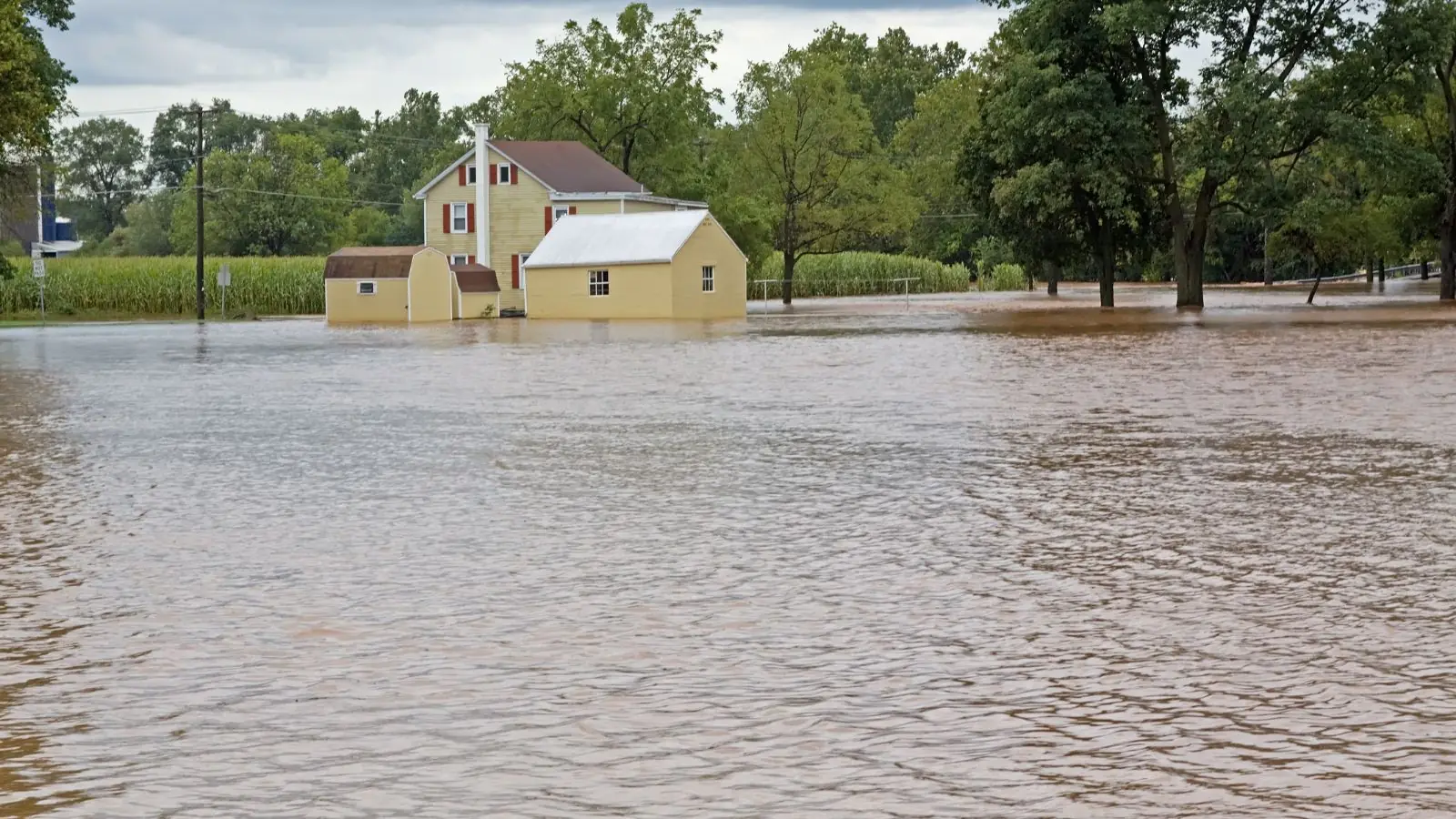
Wind and rain pressure water through openings that never leak in calm weather, including flashing, chimney joints, window seals, vents and the gap under a door. The result is wet insulation, stained ceilings and soaked wall cavities. Storm water damage here means rain and wind entering through the building envelope. Rising water from a river or storm surge is covered on the flood damage cleanup page.
How storm water damage is dried and repaired
- Standing water is extracted and wet materials are removed or opened.
- Wet insulation and drywall are checked for moisture and replaced where needed.
- Moisture mapping finds water that traveled through wall cavities.
- Air movers and dehumidifiers dry the structure, with readings on each visit.
- Repairs follow once the structure is dry, and the roofer or window contractor completes the exterior work.
Ceilings that took rain are covered on the ceiling water damage repair page, and storm water that entered a lower level is covered by basement water damage cleanup.
Insurance after a storm
Wind-driven rain through a storm-damaged opening is often covered, while flood is usually excluded from homeowners policies. Some coastal policies have separate wind or hurricane deductibles. Check your policy or ask your insurer, and photograph the damage before temporary repairs.
What storm damage cleanup costs depend on
Where rain gets in during a storm
Wind pushes rain sideways, so water finds paths that stay dry in an ordinary shower. Look at window sills and frames, the top of foundation walls, chimney flashing, roof vents, soffits and the corners where a roof meets a wall. Siding that has lost a piece can let water in behind it.
A stain that appears on a ceiling or wall after a storm is a clue to where. Water travels along framing, so the entry point is often higher than the stain.
Temporary protection
A roofing tarp or plastic sheet held down with strapping can keep more rain out until a roofer arrives. Working on a wet roof is dangerous, so leave it to people with the right gear. Inside, move furniture, roll up rugs and put buckets under drips.
Keep receipts and photos of any temporary measures. Many policies expect you to protect the property from more harm and may reimburse reasonable costs.
After the storm passes
Wet insulation and drywall do not dry well in place. Call soon, because a few days of damp weather lets growth start. A crew maps the moisture, opens the wet cavities and dries the structure. A roofer and a window contractor fix the exterior at the same time, so the next storm does not repeat the damage.
Standards behind the work
Professional work on this kind of loss is guided by the ANSI/IICRC S500 standard for professional water damage restoration. You can ask any company whether its crews work to it, and ask how it will document moisture readings and photos for your insurer.
Questions we hear
Do you handle storm emergencies at night or on weekends in Westerly?
Yes. The line is answered 24/7. Stay safe, protect belongings from leaks and call.
Do you repair roofs and windows?
No. A roofer or window contractor does the exterior repair. This service handles the water inside.
What is the difference between storm and flood damage?
Storm damage is rain and wind entering through the building. Flood damage is rising water coming in from outside. Insurance treats them differently.
Should I wait for the storm to end?
Safety first, but plan early. Water already inside keeps soaking into materials while you wait.