
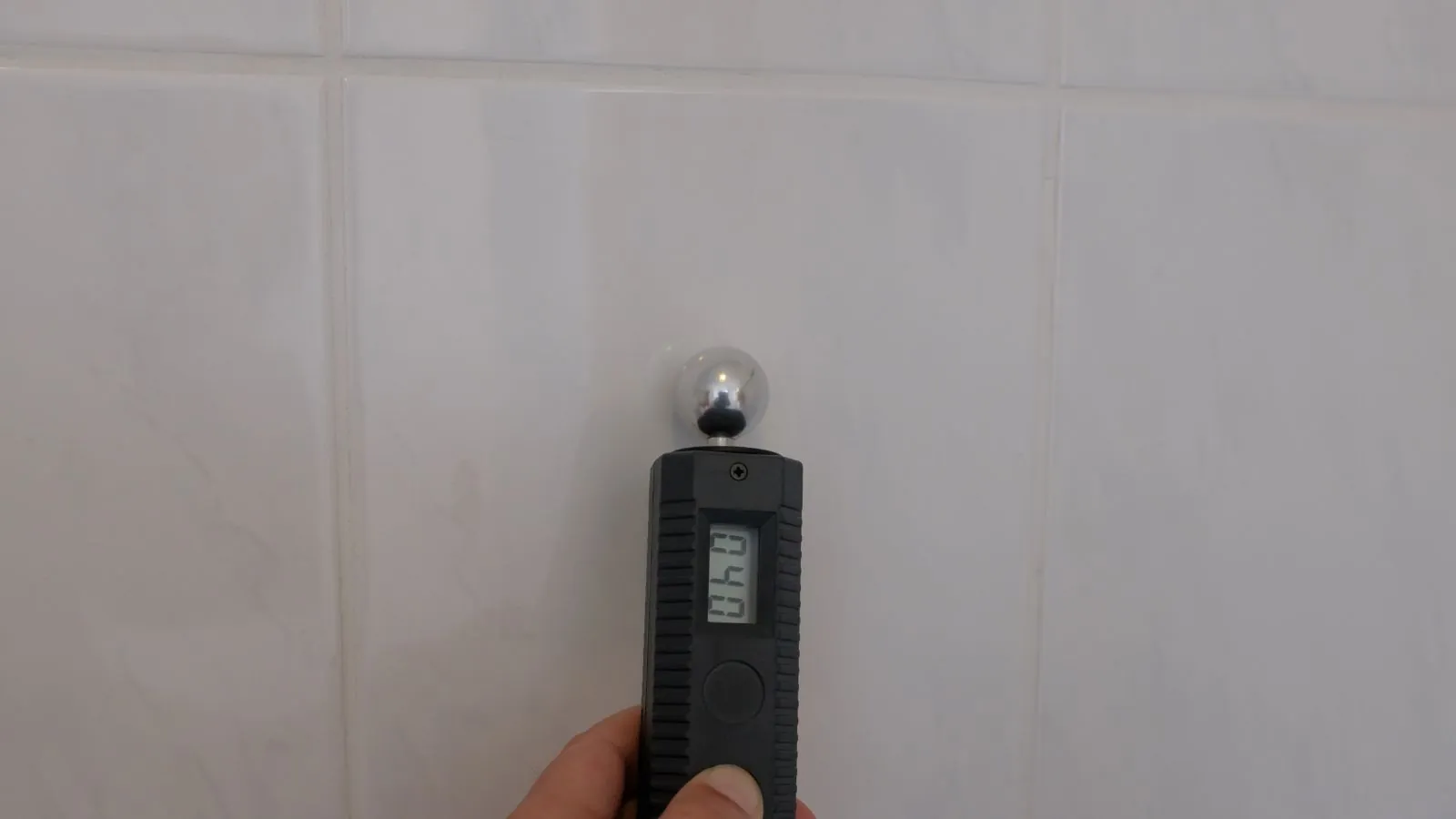
Wet walls and a damp house: what structural drying fixes
People describe it in plain terms. The wall is saturated, there is a soft spot forming, the floor is cupping, the house smells damp, or it dried on the surface but still feels wet. Each one means moisture is trapped in the materials, not just sitting on top.
Structural drying removes that moisture from wood framing, drywall, subfloor, insulation, concrete and flooring. It is the stage after extraction and before repair, and it decides whether a building can be saved or has to be torn out further.
Water mitigation and drying: the process
Water mitigation is the umbrella term for stopping damage from spreading, and drying is its biggest part. The goal is to bring materials back to their normal moisture content, using the equipment and the readings to prove it. The steps run in a fixed order.
- Moisture mapping with a pin or pinless meter and a thermal camera shows how far the water went.
- Wet materials that cannot be dried, such as soaked insulation and pad, are removed.
- Air movers push dry air across wet surfaces and into cavities.
- Dehumidifiers, usually low grain refrigerant units, pull moisture out of the air so drying continues.
- Readings are taken on every visit and equipment is adjusted.
- Equipment comes out when readings match a dry reference for each material.
The equipment in plain words
Air movers
Small high-velocity fans that move air across wet surfaces. They speed evaporation but do not dry the air itself.
Dehumidifiers
Machines that remove the moisture that evaporated, so the air can keep absorbing more.
Moisture meters
Tools that read how wet a material is. Wood, drywall and concrete each have their own dry targets.
Thermal cameras
Cameras that show cooler wet areas behind walls and under floors. They show where to measure, not how wet it is.
Drying equipment is used on the job and is not rented out, so a caller who asks for air movers to run alone is better served by an assessment. Air movers running without moisture readings can push water deeper into a structure or leave wet cavities that never dry.
How long does drying take?
It depends on the structure, the season and how fast the water was removed. Thin drywall dries faster than plaster, and hardwood and concrete dry slowly. A cold, damp Rhode Island winter slows evaporation, and a humid summer coastal day makes dehumidifiers work harder. That is why a calendar number is a guess and the readings are the real answer.
Westerly's coastal air carries humidity from the ocean and the salt ponds. For drying, the practical point is that open windows are not a drying plan. Closed systems with dehumidifiers work more predictably.
When drying is not enough
If materials have been wet for days, or the water was contaminated, the answer may include removal. See mold remediation for when drying started too late and sewage backup cleanup for contaminated water. The first stage for most jobs is water extraction, and the repair stage is covered on the wall and drywall page.
What structural drying costs depend on
Insurance usually follows the cause of loss. If the loss is covered, the drying is usually part of the claim. Check your policy or ask your insurer.
Standards behind the work
Professional work on this kind of loss is guided by the ANSI/IICRC S500 standard for professional water damage restoration. You can ask any company whether its crews work to it, and ask how it will document moisture readings and photos for your insurer.
Stay safe while you wait
- Keep everyone away from standing water near outlets, cords, panels and appliances.
- Shut off power at the breaker only if the panel is dry and you can reach it safely. Otherwise call the utility or an electrician.
- Keep children and pets out of the wet area.
- Do not use a household vacuum on standing water.
- Wear boots and gloves if you must enter, and photograph the area before anything moves.
Questions we hear
How long does structural drying take?
Readings decide. A small wet room may be done in a few days, while thick or dense materials take longer.
Can I rent air movers and dehumidifiers from you?
No. Equipment is used on the job. A scope and monitoring are included with it.
Why not just open windows and run a fan?
Wet air outside may add moisture, and fans alone move water without removing it. Dehumidifiers and monitoring make the difference.
How do I know the structure is dry?
Ask for the moisture readings and the dry reference values. They are the proof you need before repairs.