
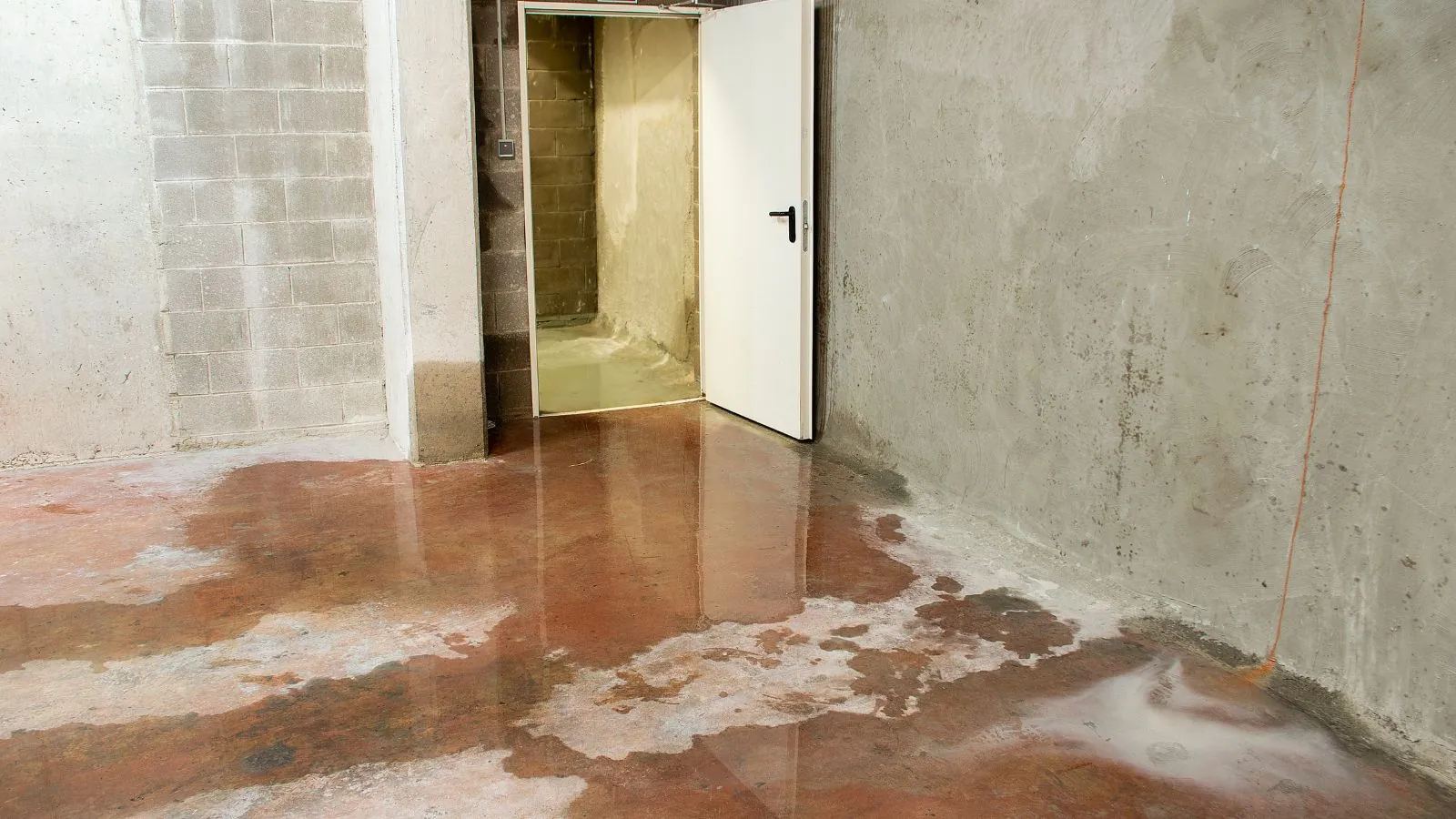
Flooded basement: what to do first
Safety comes first. Water near an electrical panel, outlets or a furnace is dangerous. If the water is deep or touches electrical equipment, stay out and call the utility or an electrician to shut off power. Do not wade through a flooded basement with the power on.
If the source is a burst pipe or a failed appliance, close the main water valve. If it is groundwater or storm runoff, the source cannot be stopped from inside. Document it with photos, protect items on upper levels and call so extraction can begin.
Why Westerly basements get wet
Westerly sits between the Pawcatuck River and the coast, and many properties are on low or sandy ground with a high water table. The town hazard plan lists the North End, downtown, White Rock, Bradford and Avondale among the areas the Pawcatuck threatens, and it lists brooks including Aguntaug, Mastuxet, McGowan, Perry Healy and Spring. In March 2010 the river crested at a record 15.38 feet.
In more ordinary storms, causes are closer to home. Callers describe a sump pump that stopped working during heavy rain, groundwater coming up through the floor, water through a foundation crack and sewage coming up through a floor drain. Each one has a different fix. A sump pump or a drain is a plumber's or a waterproofing contractor's repair, and cleanup is this service.
How a basement is cleaned and dried
- Pumps and extraction units remove standing water, and the depth is lowered in steps when the ground is saturated.
- Wet contents, carpet, pad and wet drywall are removed or lifted.
- Floors, walls and framing are cleaned and treated where needed.
- Air movers and dehumidifiers dry the space, with readings each visit.
- Repairs and rebuilding follow once the readings are normal.
When the water is contaminated by flood water or sewage, the scope is larger. The flood damage cleanup and sewage backup cleanup pages explain how those jobs differ. Cellars are often connected to the crawl space, and a wet finished basement often needs the wall and drywall repair step.
Insurance and flood coverage
Standard homeowners policies usually exclude flood and groundwater seepage. The Rhode Island Division of Insurance says flood coverage is a separate policy, which may come from the National Flood Insurance Program or a private insurer, and new policies usually carry a waiting period. A burst pipe or a failed appliance is treated differently. Check your policy or ask your insurer.
What basement cleanup costs depend on
Sump pumps and power outages
A sump pump only works with power. Storms that bring the heaviest rain often take out electricity too, which is when a cellar fills quickly. A battery backup or a water-powered backup pump is a plumber's job to install, and it is worth asking about if your cellar has flooded before.
Test the pump before the wet season by pouring water into the pit and watching it start. Check that the discharge line points away from the house and is not frozen or blocked.
What to move first
If you have a few minutes before water rises, move items that cannot be replaced. Photographs, documents and electronics go upstairs. Cardboard boxes on a damp floor wick water quickly, so lift stored items onto shelves or plastic bins. Leave heavy furniture for the crew.
Do not move appliances that are plugged in and standing in water. Wait until the power is off and the area is safe.
Standards behind the work
Professional work on this kind of loss is guided by the ANSI/IICRC S500 standard for professional water damage restoration. You can ask any company whether its crews work to it, and ask how it will document moisture readings and photos for your insurer.
Questions we hear
Do you handle basement flooding at night or on weekends in Westerly?
Yes. The line is answered 24/7. Stay clear of electrical hazards and call.
Do you fix the sump pump or waterproof the basement?
No. A plumber or waterproofing contractor handles that. This service handles the water, the drying and the damage repair.
Is groundwater seepage covered by insurance?
Often not under a standard homeowners policy. Check your policy and ask about flood coverage.
How soon should basement water be removed?
As soon as it is safe. Water soaks into drywall and framing quickly, and the longer it stays the more has to be removed.