
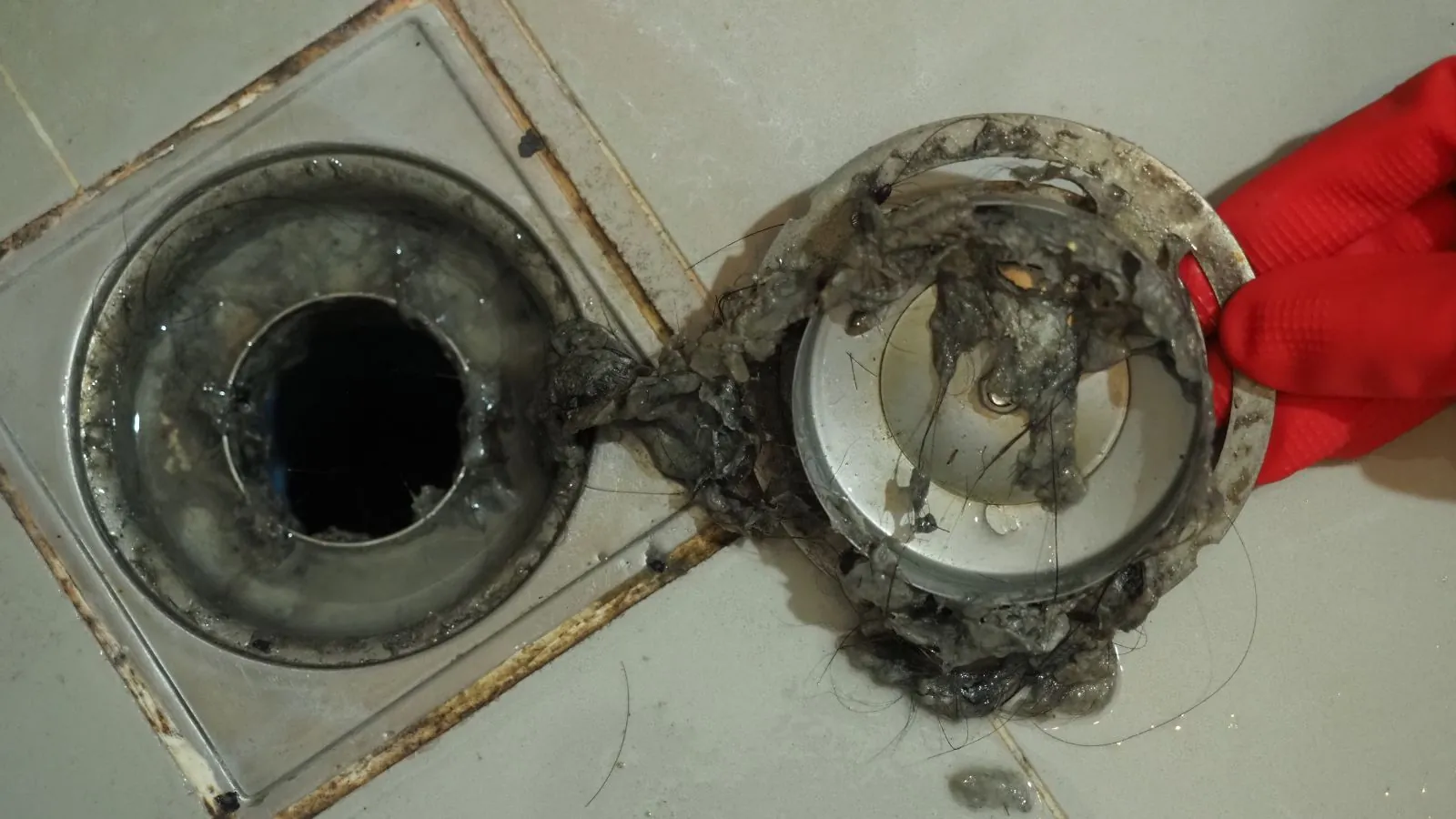
Sewage backup: what to do first
Stop using water. Every flush, shower and load of laundry sends more wastewater toward the same blocked line. If the backup is coming from a floor drain, toilet or sink, avoid the area and keep it ventilated if you can do so safely. People with a weak immune system, small children and pets should leave the building.
Call a plumber to clear the main line or the blockage, and call the restoration line for the contaminated water already in the home. Photograph the damage from a distance and do not throw anything away until your insurer has seen it or approved disposal.
Why sewage is different
Sewage is Category 3 water. It carries bacteria and viruses, and anything porous that it touches is usually removed. That means carpet, pad, drywall and insulation, which is why a sewage job removes more than a clean water job of the same size. Hard surfaces and framing are cleaned and treated, not replaced.
Technicians wear protective suits, gloves and respirators, set up containment to keep the contamination from spreading to clean areas, and use sanitizing treatments after removal. The job follows the S500 guidance for contaminated water, and you can ask any company whether its crews work to it.
Backups in Westerly homes
Callers describe raw sewage coming up through a basement drain, often after heavy rain. The Westerly Water Department notes that properties with access to the public sewer pay a flat annual fee, and the department handles problems on public lines. A blockage in the private lateral from the house to the street is the owner's responsibility, and that is a plumber's job.
Not every Westerly property is on the public sewer. Some use septic systems, and the plumber can tell which part of the system failed. If a flood or surge has pushed water into drains, read the flood damage cleanup page, and if the sewage is in a basement, the basement page covers the room.
How sewage cleanup is done
- The area is isolated and the crew puts on protective equipment.
- Standing sewage is extracted and the affected area is flushed.
- Porous materials, including carpet, pad and drywall to a cut line above the water, are removed and bagged.
- Surfaces are cleaned and treated with sanitizers.
- The structure is dried and checked with a moisture meter, then repaired.
| Material | Sewage contact | Usual result |
|---|---|---|
| Carpet and pad | Soaked or splashed | Removed and disposed of |
| Drywall and insulation | Wicked contaminated water | Cut out above the water line |
| Wood framing and concrete | Wetted surface | Cleaned, treated and dried |
| Hard flooring | Surface contact | Cleaned, with the subfloor checked |
Insurance policies differ on sewer or drain backup. Many standard homeowners policies exclude it unless a backup endorsement was added, so check your policy or ask your insurer before the work begins.
What sewage cleanup costs depend on
Questions we hear
Do you handle sewage backup emergencies at night or on weekends in Westerly?
Yes. The line is answered 24/7. Stay out of the water, stop using plumbing and call. A plumber clears the line while the cleanup is planned.
Can I clean up a small sewage backup myself?
This is not recommended. Sewage carries disease-causing organisms, and porous materials usually cannot be cleaned. Protective gear and proper disposal are needed.
Does homeowners insurance cover sewer backup?
Often only with a specific endorsement. Check your policy and ask your insurer before work begins.
Do you fix the blocked drain?
No. A plumber clears or repairs the line. This service cleans up the contaminated water and repairs the damage.