
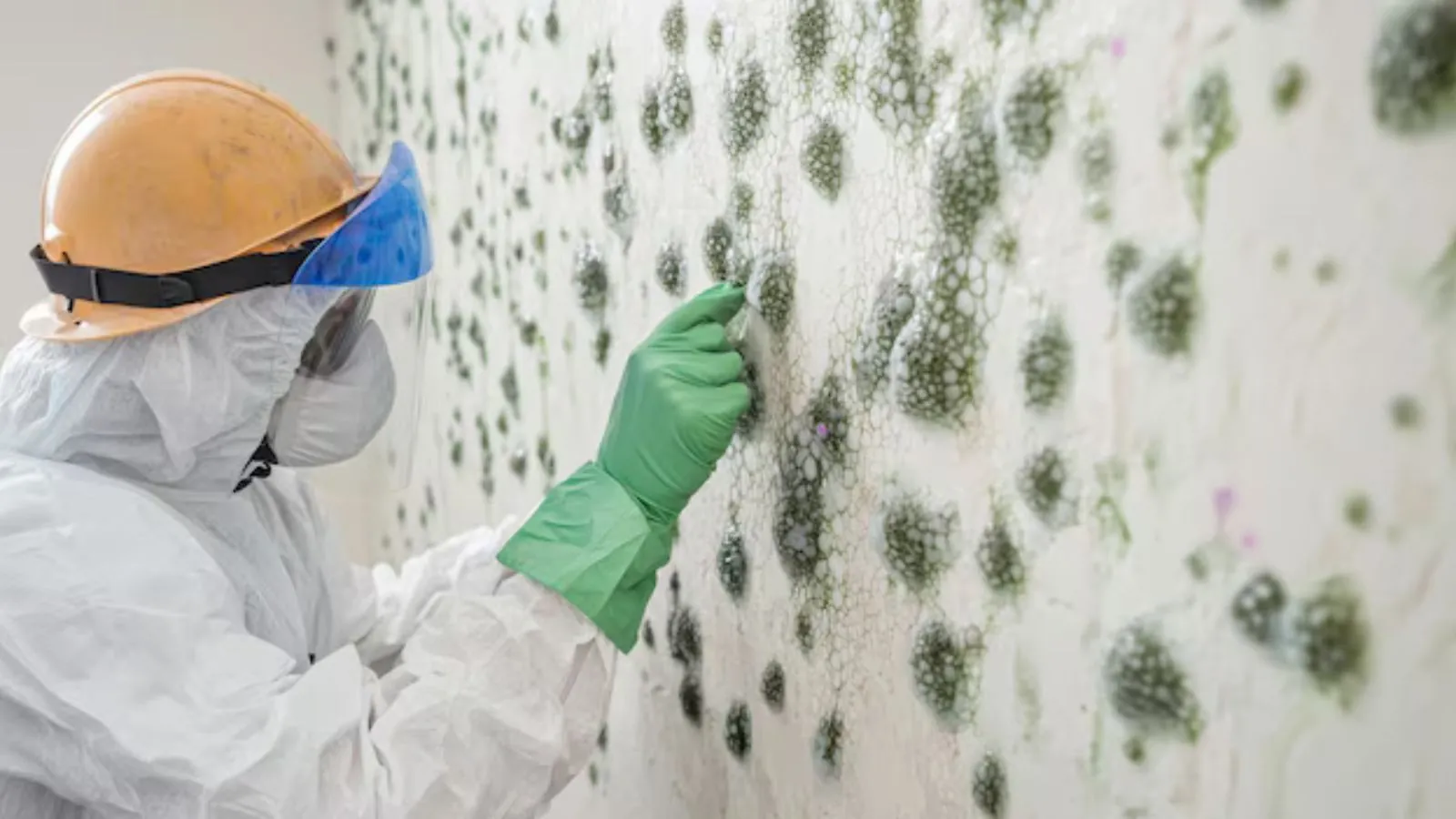
What mold remediation is
Mold remediation is the controlled removal of mold growth from a building and the drying that keeps it from returning. It is not a spray. Growth is removed or cleaned, the area is contained so spores do not spread, and the moisture that fed the growth is fixed. Cleaning without fixing the moisture is a short-lived solution.
The published guide for the work is the ANSI/IICRC S520 standard for professional mold remediation. You can ask any company whether its crews work to it. This page does not make health claims. If you have concerns about your health, talk to your doctor.
Where mold shows up after water
Growth follows water. The usual places are behind and under sinks, inside walls after a hidden leak, under carpet and pad, in a basement or crawl space, around windows and in a ceiling below a roof leak. Callers describe black spots on a wall, a musty smell that will not go away and drywall that stayed wet for days.
Westerly's coastal humidity and its floodplain add to the risk. If a structure stayed wet after a storm, a river flood or a long leak, mold is more likely. See flood damage cleanup for the first response and structural drying for how readings show the structure is dry.
How remediation works
- Inspection finds the extent of growth and the moisture source.
- Containment with plastic barriers and negative air limits the spread of spores.
- Porous materials with growth, such as drywall and insulation, are removed and bagged.
- Surfaces are cleaned with HEPA vacuuming and wiping, and framing is cleaned or treated.
- The structure is dried, and the readings confirm the moisture is under control.
- Repairs and rebuilding follow.
Testing and licensing questions
Some people want testing before work begins, and some want it afterward to confirm the result. Testing is separate from removal, and the testing company should be independent of the company doing the removal. Ask whether your state licenses mold work and whether the people you hire hold what is required. Check with the state before you sign anything.
| Material | Usual approach |
|---|---|
| Drywall and insulation | Removed when growth is present |
| Wood framing | Cleaned, sanded or treated, then dried |
| Carpet and pad | Removed |
| Concrete and masonry | Cleaned and dried |
Related causes are covered on the ceiling, wall and drywall and crawl space pages.
Insurance
Mold coverage varies a great deal, and many policies limit or exclude it unless it follows a covered water loss. Check your policy or ask your insurer, and keep the photos and moisture readings from the original water loss.
What mold remediation costs depend on
Why humidity is part of the story
Mold needs moisture, and humidity is moisture. A damp cellar or a closed-up house can support growth without any leak. Keeping indoor humidity moderate with a dehumidifier and good air movement is a normal part of prevention in a coastal climate.
A hygrometer is an inexpensive way to see the number. If a lower level stays humid all summer, ask a contractor about drainage, ventilation and a vapor barrier.
Keeping records
Photograph the area before work begins and ask for photos of the removal. Keep the scope, the moisture readings and any test results together. If you sell the house later, these records show what was found and how it was handled. Those records matter if you sell the house later.
Questions we hear
Do you handle mold after water damage in Westerly?
Yes. Call the 24/7 line and describe what you see. The scope starts with finding the moisture.
Can I just clean mold with bleach?
Surface cleaning does not fix moisture inside materials. Porous materials with growth are usually removed.
Do I need testing before removal?
It depends on the situation. Testing is separate from removal, and an independent tester is the better choice.
Does insurance cover mold?
It varies. Many policies limit it unless it follows a covered water loss. Check your policy.