
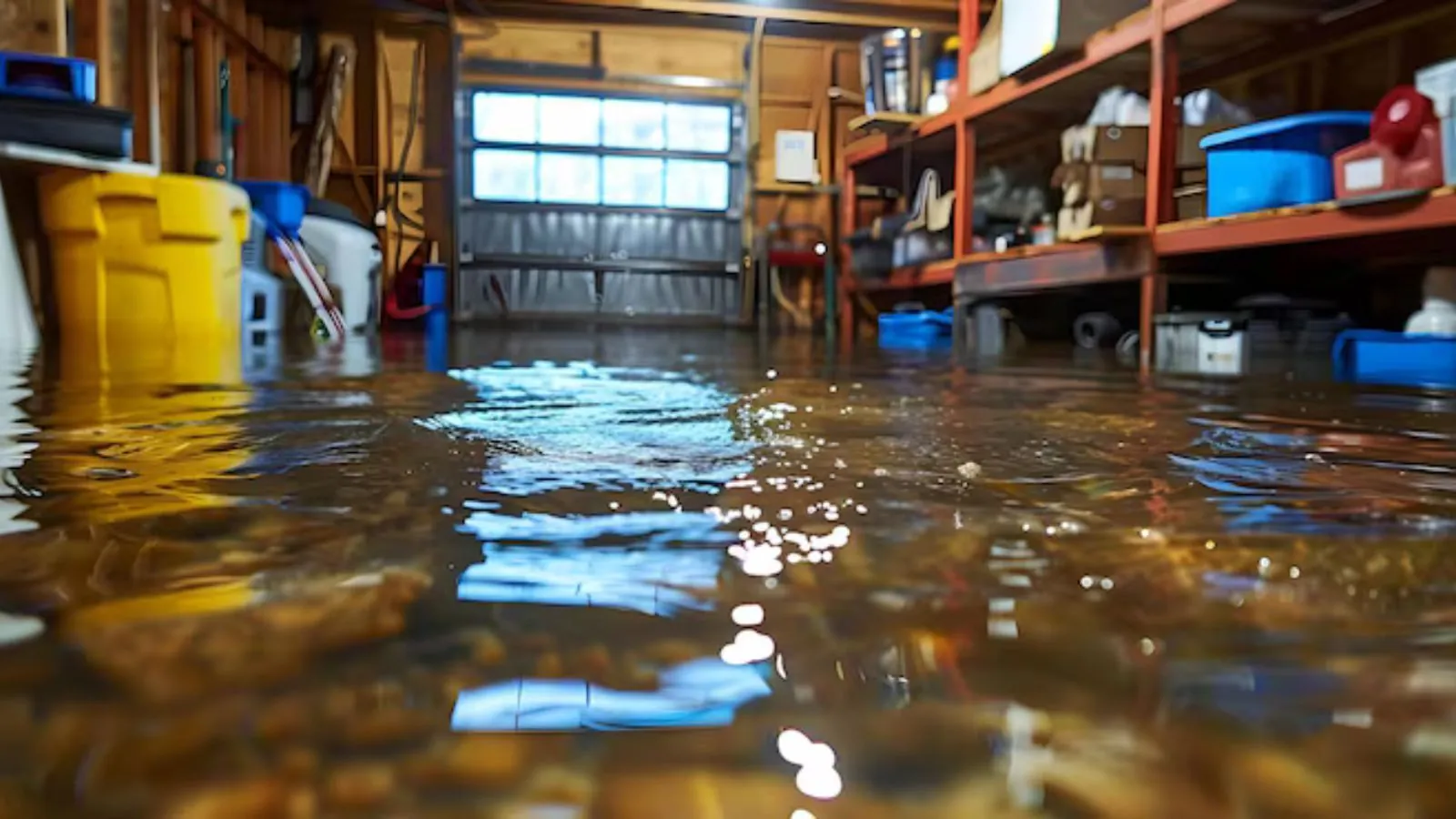
Why a bill can jump
A higher bill can come from more use, a billing cycle with an unusual read or a leak. Leaks matter most. A running toilet, a dripping fixture or a line leaking in a wall or under a slab can waste a lot of water without a visible puddle. The Westerly Water Department notes that a leaking toilet is the most common cause of a high bill.
A simple meter test
- Turn off every fixture and appliance that uses water.
- Find the water meter and note the reading.
- Wait an hour or two without using water.
- Read the meter again. If it moved, water is moving somewhere.
- Check whether the leak is before or after your main valve by closing the valve and reading again.
If the meter keeps moving with the main valve closed, the leak is on the supply side before your valve. If it stops, the leak is inside the building.
The toilet test
Add a few drops of food coloring to the toilet tank and wait fifteen minutes without flushing. If color shows up in the bowl, the flapper is leaking. An inexpensive part often fixes it. Toilets are the most common source, and testing takes minutes.
Other places to look
Check under sinks, around the water heater, at the washer hoses and the dishwasher supply, and along the ceiling below bathrooms. Look for stains, soft spots and a musty smell. If you find any, see appliance leak damage and water heater leak cleanup. A hot floor or a sound of running water may point to a slab leak.
If damage has already started
Close the valve for that fixture or the main valve and call a plumber for the repair. Wet materials need drying, and the structural drying page explains the readings. The earlier you act the smaller the scope, and slow leaks are often excluded by insurance, so check your policy.
Reading the meter
Meters show usage on a dial or a digital display, and many have a small leak indicator, a triangle or wheel that spins when water is moving. If it spins with everything off, water is going somewhere. Take a photo of the reading with the time, then check again later.
Write down the reading before bed and again in the morning. If the number changed overnight and nobody used water, you have a leak.
Outdoor and seasonal sources
Irrigation systems, outdoor spigots, hoses left running and pools can raise a summer bill. A cracked irrigation line can leak underground for weeks. Look for soggy patches in the yard, greener grass along a line or a muddy spot near the foundation.
Seasonal homes can have a bill spike after the water is turned back on if a line froze and split during the winter. Walk through the house after opening the valve and check each fixture.
Talking to the water department
If the meter shows a leak is on your side, a plumber fixes it. Ask the Westerly Water Department how it handles bills after a repair, since policies can differ. Keep the plumber's invoice and a photo of the repaired line.
If the damage from the leak is already visible, document it and ask your insurer about coverage. Sudden loss is treated differently from long-term leakage.
Estimated reads and billing cycles
Sometimes a jump comes from an estimated reading followed by an actual one, or from a longer billing cycle. Compare the dates and the usage on the bill with last year. If the usage is up and you cannot explain it, treat it as a possible leak until a meter test shows otherwise.
Ask the Westerly Water Department how often your meter is read and how to see your usage. Keep a record of readings you take yourself.
Do not ignore a small drip
A dripping faucet or a running toilet can waste a surprising amount of water over a month. Fixing a flapper or a washer is a small job. Put it off and the cost shows up on every bill, and sometimes in the floor below.
When to call a plumber
If the meter test shows a leak and you cannot find it, call a plumber. Tools such as acoustic listening devices and pressure tests can locate a leak in a wall or slab. Tell the plumber what the meter showed, because it helps narrow the search.
Westerly water and sewer billing
The Westerly Water Department at 68 White Rock Road handles water and sewer, and it offers 24-hour service for emergency work only. The sewer fee is a flat $400 per year, so a change in a bill usually comes from the water side. It also runs seasonal meter removal accounts, which matter for shore properties that close for the winter.
If you live in Hopkinton, most homes use private wells, so a bill spike is not the issue there, but a well pump that runs constantly can signal a leak. See Wood River Junction for a similar setup.
Questions we hear
What is the most common cause of a high water bill?
The Westerly Water Department notes it is a leaking toilet.
How do I check if I have a leak?
Turn off all water use and watch the meter. If it moves, water is going somewhere.
Can a leak be inside a wall?
Yes. A meter that moves with everything off and no visible water suggests a hidden leak.
Who fixes the leak?
A plumber fixes the line. Cleanup and drying of the damage is a separate service.