
Why the smell stays
A musty smell usually comes from damp materials, not from the air. Wet pad under carpet, wet insulation in a wall, a damp subfloor and a wet cavity behind cabinets all hold moisture that surface drying does not reach. If the house looks dry and still smells, something inside is still wet.
Where to look
- Under carpet and pad, especially along walls
- Behind baseboards and cabinet toe-kicks
- Inside walls below a leak or a window
- Crawl spaces and basements with high humidity
- Behind appliances and under sinks
- Ceilings below a bathroom or a roof leak
How a crew finds it
Moisture meters and a thermal camera locate hidden wet areas. Probes read materials without tearing them open, and small inspection holes are cut only where needed. The structural drying page explains how readings show when a cavity is dry.
What removes the odor
Odor goes away when the wet material is dried or removed and the surfaces are cleaned. Air fresheners and fogs cover it for a while. If a pad or insulation is soaked, it is usually replaced. If the smell follows a sewage or flood loss, see sewage backup cleanup and flood damage cleanup.
When it points to growth
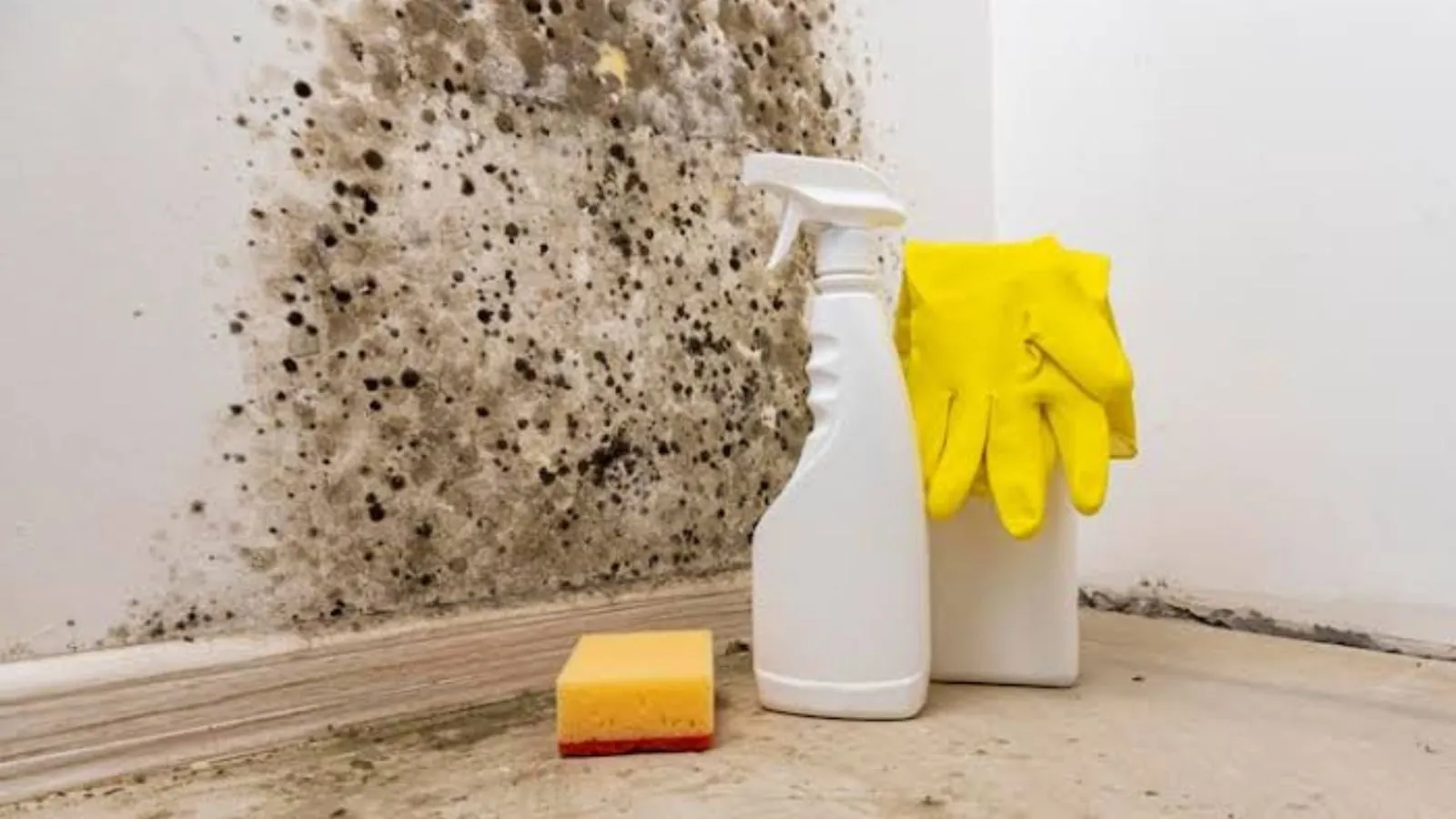
A persistent musty smell after water can signal growth in a hidden spot. The mold remediation page explains inspection and removal. This page makes no health claims. If you have concerns, talk to your doctor.
Run a dehumidifier in the meantime and keep the area ventilated if the weather allows. Check the humidity, since high readings in a closed house feed the problem.
A simple way to narrow it down
Walk through the house with your nose and a flashlight. Note which rooms smell strongest, and whether the smell is stronger near the floor, near the ceiling or inside a closet. A smell that is strongest at a baseboard points to a wet wall or floor. One that is strongest near a ceiling points to a roof or upstairs leak.
Open a closet or cabinet and smell inside. Pull out stored items and look for dampness on the back wall. Check under rugs and behind furniture that sits against an exterior wall.
Humidity and ventilation
A hygrometer shows relative humidity. Readings that stay high for days in a closed house encourage odor and growth. Running bath and kitchen fans, venting a dryer outdoors and using a dehumidifier in damp lower levels all help.
Empty the dehumidifier regularly or route the drain to a floor drain. A full bucket stops working.
When odor means a bigger problem
- The smell comes back after cleaning and drying
- A wall or ceiling is stained, bubbling or soft
- The smell started after a leak, a flood or a sewer backup
- A lower level has been damp for weeks
- There is a sweet or sharp odor that does not seem to be from damp materials
A smell after sewage or flood water is a sign that porous materials need to come out. A smell with no known water event may come from a slow leak, so check plumbing, the roof and the drain lines. If it is strong or unusual, leave the area and call the proper service.
Cellars and crawl spaces
Lower levels hold odors because air moves slowly there. A damp stone or concrete wall, an unlined floor or a leaky pipe can keep a cellar smelling for years. Seal sources of water, run a dehumidifier and make sure the sump drain is clear.
Odor that travels upstairs through a floor register or a gap around pipes points to a lower-level source.
Odor after sewage or flood water
Contaminated water leaves a stronger, lasting odor. Cleaning surfaces helps, but porous materials that absorbed the water have to be removed. If you are dealing with this, see the sewage backup cleanup page and call the 24/7 line.
Closets, cabinets and stored items
Stored fabric, books and cardboard absorb odor and hold moisture. Take stored items out, let them air in a dry space and discard anything that stays damp or smells strongly. Use a dehumidifier near closets that touch an exterior wall, and leave the door ajar to let air move.
How long it takes to go away
Odor fades once the source is dried or removed, but fabrics and porous materials can hold it for a while. Give it some days after readings show dry, and keep running the dehumidifier. If the smell is as strong as ever after drying is confirmed, something was missed, and a second moisture check is worth doing.
Humid summers on the coast
Westerly is on the shore and between a river and salt ponds, so summer humidity is high and cellars hold moisture. Crawl spaces and closed seasonal cottages are common sources of musty odor. See crawl space water damage for that setting.
For nearby towns, see Hopkinton and Wood River Junction, where private-well homes often have damp lower levels.
Questions we hear
Why does my house smell musty after it dried?
Wet material inside a wall, under a floor or in a pad may still be damp. Moisture readings find it.
Will a dehumidifier fix the smell?
It lowers humidity and helps, but wet materials may still need drying or removal.
Do air fresheners work?
They mask the odor. The cause is moisture.
When should I call someone?
When the smell persists after a leak or you cannot find the source.