
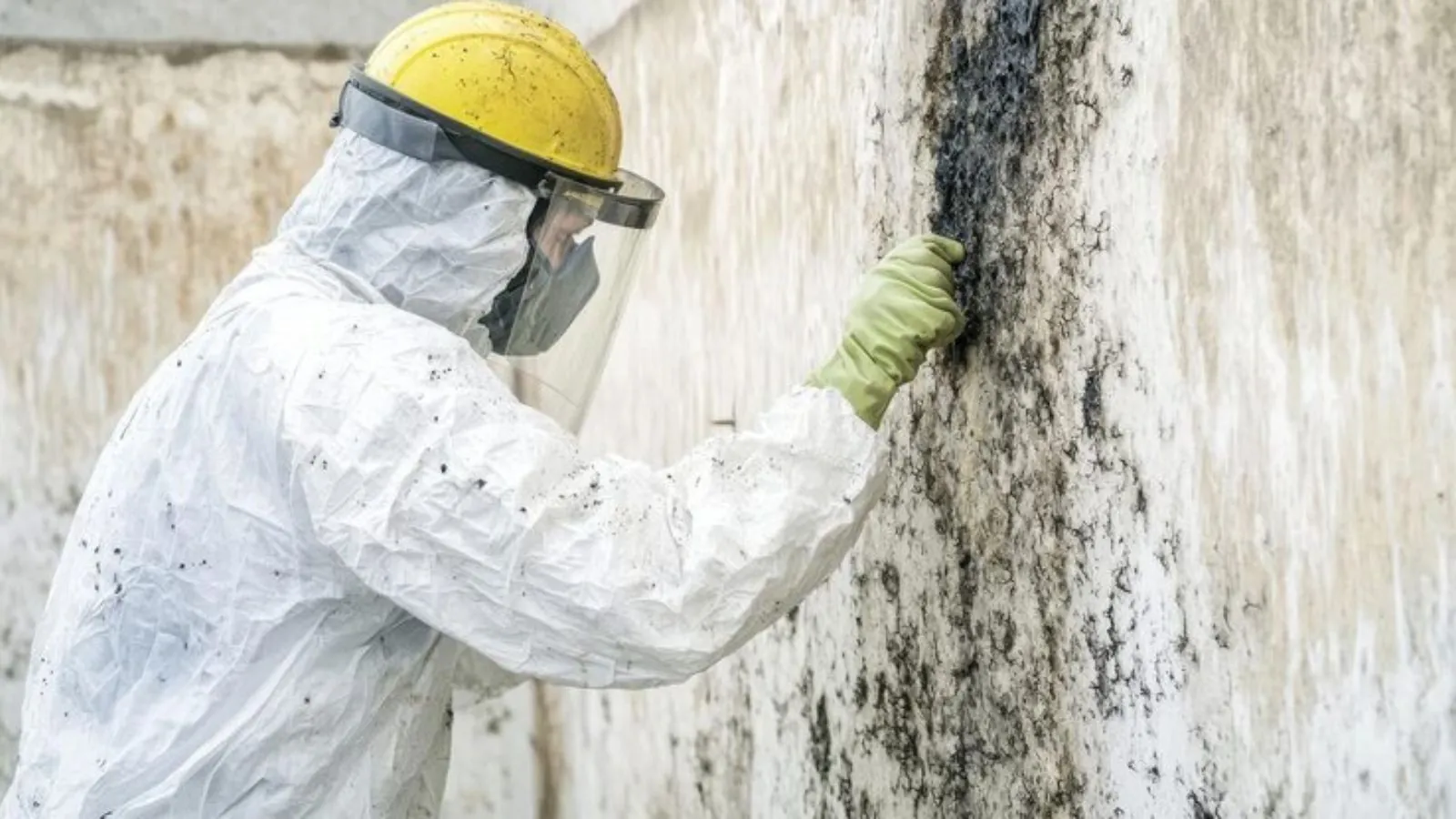
What a specialist actually does
Mold remediation is controlled removal of growth and the fix for the moisture that fed it. A specialist contains the area, removes affected porous materials, cleans surfaces, dries the structure and checks the readings. A spray without removal and drying is not remediation, because the moisture is still there.
Questions to ask
- What standard does the crew follow? The published guide is ANSI/IICRC S520.
- How will the area be contained so growth does not spread?
- Which materials will be removed and why?
- How will the moisture source be confirmed fixed?
- Will an independent party do any testing?
- What does the written scope include?
Testing and who does it
Some owners want testing before work and a clearance test after. Testing is separate from removal, and the tester should be independent of the crew doing the work. Results need interpretation, and a number on a report does not by itself tell you what to remove. Ask what the test will change about the plan before you pay for it.
Licensing varies by state
Mold licensing rules differ by state. Ask whether your state licenses mold work and what the people you hire are required to hold. Check with the state before you sign. A generic claim of being licensed and insured is a start, but ask for specifics when it matters to your lender or insurer.
Why drying decides the result
Remediation without drying fails. After removal, the structure has to dry with readings that match dry targets. The structural drying page explains how that is verified. The cause matters too. A leak, a roof problem or a flood has to be fixed, and the mold remediation page explains the full process.
Red flags
Be careful with a company that quotes without seeing the space, that promises a particular outcome, that sells a fog or paint as the whole job or that cannot explain containment. A good scope names materials, areas and steps. This page makes no health claims. If you have health concerns, talk to your doctor.
Reading a written scope
A scope for mold work should name each area, the materials to be removed, the containment method and the cleaning steps. It should say how drying will be confirmed and what readings count as dry. It should also say what is not included, such as rebuilding, painting or repairs to the source of the moisture.
Compare scopes from two companies by the work they describe, not only the total. A lower number that leaves out containment or drying is not the same job.
Containment and air filtration
Containment keeps spores in the work area. It usually means plastic sheeting sealed at the edges, a zipper door and a machine that pulls air out through a HEPA filter so the work zone stays under negative pressure. Crews bag debris inside the barrier and wipe the bags before they leave.
Ask whether the air machine will vent outdoors and how the barrier will be checked each day. A job done with no containment can spread the problem to rooms that were clean.
After the work
When removal and drying are done, the crew should show you the readings and the cleaned surfaces. If you ordered a clearance test, an independent tester takes it, not the crew. Then rebuilding starts. Keep the scope, photos and readings with your house records.
The structural drying page explains how the readings are verified, and the wall and drywall page covers the rebuild that follows.
What affects the size of the job
The area of growth, the materials involved, the access and the amount of containment all shape the scope. A small patch on one wall is a short job. Growth through a finished cellar with carpet, drywall and insulation is a larger one. The moisture source adds its own repair on top.
Ask any company to explain what drives its scope, and ask what would change it if the crew finds more once walls are open.
Timelines and rebuilding
Removal and drying take days, and rebuilding takes more time. Some owners hire the same company for both, and some split them. Either way, rebuilding should not start until the readings are in the dry range, and any clearance test you chose has passed.
A quick checklist before you sign
- Written scope with containment, removal, cleaning and drying
- The standard the crew works to
- Proof of insurance
- What the company says about state licensing
- How testing, if any, will be handled independently
Be wary of absolute promises
Nobody can promise that growth will never return, because that depends on the building staying dry. A reliable company talks about moisture control and what you can do to keep the space dry, and it does not rely on a promise.
Choosing a specialist near Westerly
Ask the Westerly building office whether the repair stage after removal needs a permit. The office is at Town Hall, 45 Broad Street, and handles building, electrical, plumbing, mechanical and demolition permits.
Mold often follows flood or a long leak. The Hopkinton and Wood River Junction pages describe local flood history, and the flood damage cleanup page explains the first response that lowers the chance of growth.
Questions we hear
Do I need a mold test before removal?
Not always. Testing is separate and optional. Ask what it will change about the plan.
Is mold licensing required in Rhode Island?
Ask the state. Rules differ by state, and you should confirm before you hire.
What is S520?
The ANSI/IICRC S520 standard is the published guide for professional mold remediation.
Can mold come back after removal?
It can if the moisture source is not fixed. Drying and repairing the cause are part of the job.