
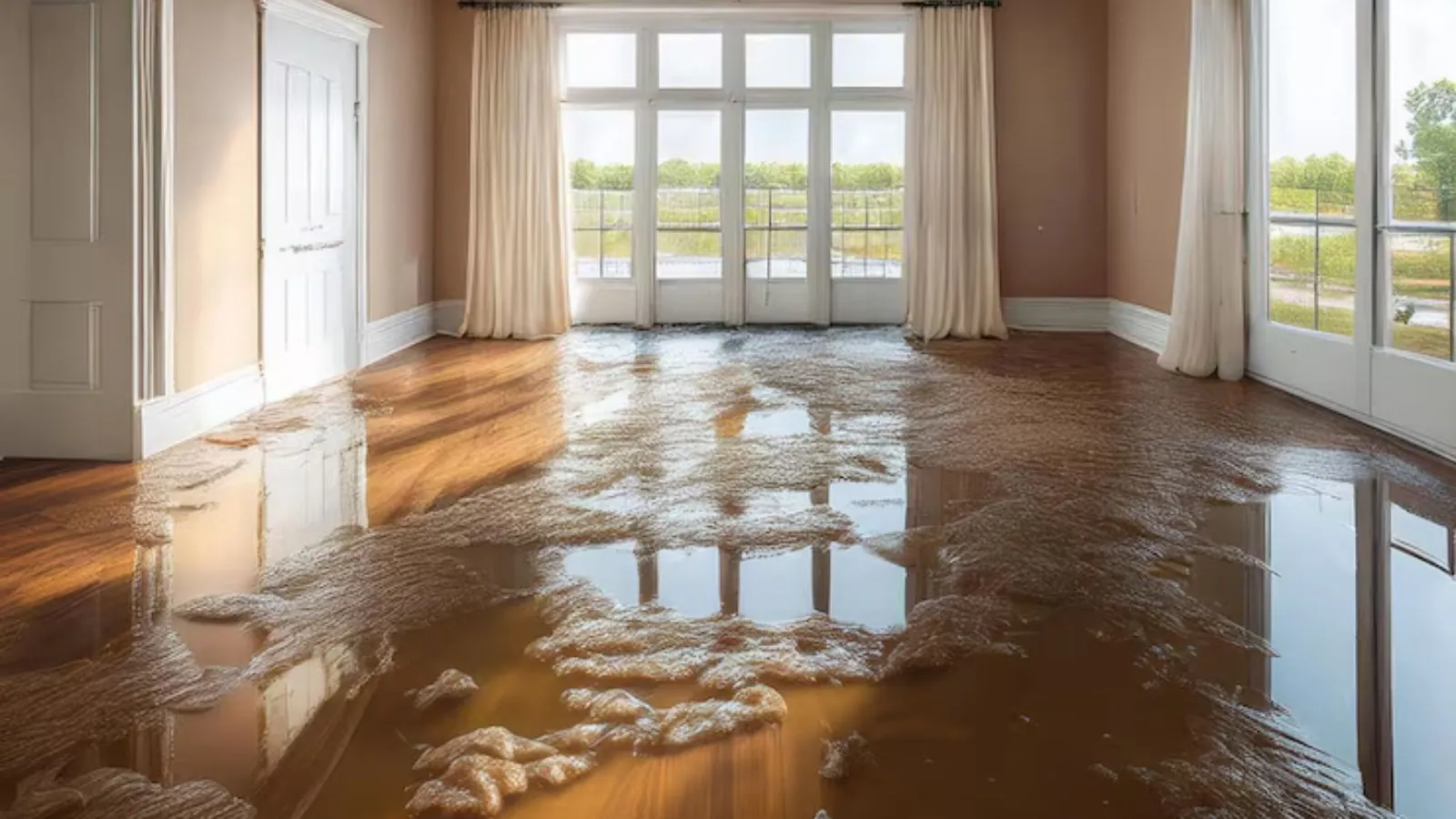
Signs to look for inside
- Stains on ceilings and walls, especially rings with darker edges
- Peeling or bubbling paint and wallpaper
- Warped, cupped or soft floors
- A musty smell, especially in closets and lower levels
- Rust on the water heater, pipes or the bottom of appliances
- Fresh paint in odd places, which may hide stains
Signs to look for outside and below
Look at the foundation for cracks and water marks, at the grade near the house, the gutters and downspouts, and at the roof for missing or damaged areas. In the basement look for efflorescence, a white crust on masonry, and a sump pump. Check crawl spaces for standing water and wet insulation.
Ask for the documents
The state seller disclosure form under R.I. Gen. Laws section 5-20.8-2 asks about basement seepage, the sump pump, mold, moisture intrusion and flood plain insurance. Ask for the form, repair records, permits and any insurance claims. A home inspector can use a moisture meter and a thermal camera.
Check the flood zone
Ask the Westerly building office about the flood zone for the address and check the FEMA Flood Map Service Center. Ask your insurer about flood coverage and the waiting period before you close. Lenders may require flood insurance in a mapped zone.
What to do if you find a problem
A stain is not always a disaster. Active moisture is a problem, and a dry old stain from a fixed leak may not be. Ask for readings, and negotiate repairs or price with your agent and attorney. The structural drying page explains readings, and mold remediation covers growth.
A walk-through plan
Bring a flashlight and a small tool for probing. Start in the cellar or bottom level and look at the floor, the walls and the base of posts. Then check each bathroom, the kitchen sink cabinet and the laundry area. Finish upstairs, looking at ceilings below roof lines and bathrooms.
Note the smell in each room. Check closets and cabinets, since they hold odors. Run the water to see how fast it drains, and flush the toilets to see how they behave.
Reading the clues
| Clue | Possible meaning | Next step |
|---|---|---|
| Brown ring stain on a ceiling | Past or current roof or plumbing leak | Ask when it was fixed and look for moisture |
| White crust on cellar walls | Moisture passing through masonry | Ask about seepage and the sump pump |
| Fresh paint only on one patch | Possible cover-up | Ask what was repaired |
| Soft or spongy floor near a toilet | Slow leak at the wax ring or supply | Have a plumber check |
| Rusted base on the water heater | Leak or condensation | Check age and the drain pan |
Bring in the pros
A home inspector uses a moisture meter and a thermal camera, which show what the eye cannot. For a cellar or crawl space with concerns, ask for a specialist. For flood zones, ask your insurance agent for a quote before you commit, so you know the cost of coverage.
If a problem is found, you can ask the seller to repair it, to lower the price or to give a credit. Your agent and attorney can help with the wording.
Questions for the seller
- Has the home ever had water in the cellar or crawl space?
- Has any pipe burst or any appliance leak caused damage?
- Has the roof leaked, and when was it last repaired?
- Was an insurance claim ever filed for water damage?
- Does the sump pump run, and how often?
- Is there flood insurance on the property, and what does it cost?
Contingencies and timing
Your purchase contract may give you a window for inspections. Use it. If an inspector finds moisture, you may be able to ask for repairs, a credit or to cancel, depending on the contract. Your attorney or agent can explain the details.
The exterior and the yard
Walk the yard and look at drainage. Water that ponds near the foundation after rain is a red flag. Look for downspouts that empty at the wall, window wells that fill with water and low spots that slope toward the house. Ask the seller how the yard behaves in a heavy storm.
Take photos and notes
Photograph every stain, crack or odd feature you find, and write down the location. Share the notes with your inspector and agent. Back at home, compare notes across houses so you can tell which ones had real problems and which only had cosmetic ones.
Buying in Westerly
Westerly buyers should know the town hazard plan counts special flood hazard area parcels as about 35 percent of the tax base. The river threatens areas including the North End, downtown, White Rock, Bradford and Avondale, and coastal flood zones cover low-lying parts of Watch Hill and Misquamicut Beach.
Attorneys for buyers should contact the Westerly Water Department 72 hours before closing, since unpaid water and sewer bills stay with the property. For nearby towns, see Hopkinton and Wood River Junction, where wells and septic systems are common.
Questions we hear
What is the biggest red flag?
Active moisture or a musty smell with no explanation. Ask for readings.
Does the seller have to disclose water problems?
The state form asks about specific conditions. Ask your attorney or agent.
How do I check the flood zone?
Ask the Westerly building office and check the FEMA Flood Map Service Center.
Can I get a moisture reading before buying?
Ask your home inspector. A thermal camera and a meter help.